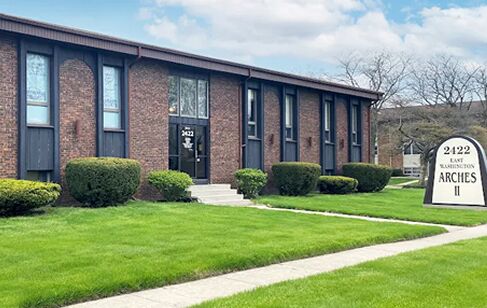
When someone passes away with assets in their name alone, their estate usually has to go through probate in the McLean County Circuit Court. It’s a court process — paperwork, deadlines, and decisions — at the moment your family least wants to deal with it. We handle that part for you and keep things moving.
Your loved one has died. You’re grieving. And now you’re facing probate—a court process that feels overwhelming, confusing, and invasive.
Probate in Illinois takes 9-18 months minimum. The court controls every step. You file petitions, publish notices, inventory assets, pay debts, and eventually distribute what’s left—all under court supervision. It costs $10,000-$20,000 between legal fees, court costs, publication fees, and executor fees. Everything becomes public record.
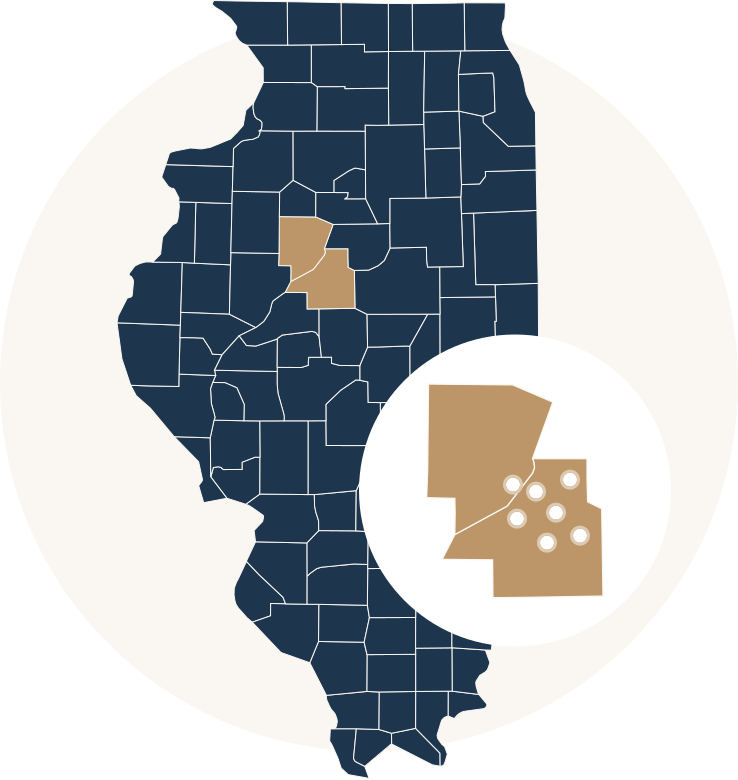
At Haning Estate Planning, we guide families throughout McLean County and Tazewell County through probate. We handle the legal work so you can focus on healing and remembering your loved one.
We offer flat-fee pricing on most probate matters. You’ll know upfront what you’re paying—no surprise hourly bills, no uncertainty about costs during an already difficult time.
What’s included in our probate services:
Complex estates (business ownership, contested wills, significant creditor claims, tax issues) may require hourly billing, but we’ll discuss this upfront in your consultation.
Call to discuss your probate matter.
Here are the situations where you’ll need probate attorney assistance:
When someone dies owning real estate in their name alone, probate is required to transfer title. Even if there’s a will saying who inherits the house, probate is legally required to transfer ownership. This is the most common reason families need probate.
When someone dies with significant assets and no trust, those assets must go through probate. Bank accounts, investments, vehicles, personal property—if these assets are in the decedent’s name alone (not joint, not payable-on-death, not in a trust), they go through probate.
When there’s a will that needs to be admitted to probate, remember that a will doesn’t avoid probate—it directs the probate process. The will must be filed with the court, proved valid, and used as the basis for distributing the estate.
When there are disputes about the estate, you need an attorney to navigate them. If family members contest the will, disagree about who should be executor, or fight about asset distribution, you need an attorney to handle the disputes through court.
When the executor needs guidance and protection, many hire attorney even for uncontested estates. Executors have legal responsibilities and personal liability. Attorney help make sure executors fulfill duties correctly and protect themselves from potential claims.
Here’s what happens in a typical probate case:
Someone (usually the named executor or a family member) files a petition with the Circuit Court asking the court to open the estate. The petition includes:
The court holds a hearing to admit the will to probate and appoint the executor (called “representative” in Illinois). The executor receives Letters of Office—legal authority to act on behalf of the estate.
The executor must notify all heirs and beneficiaries that the estate is open. The executor also publishes a notice to creditors in a local newspaper, giving creditors six months to file claims against the estate.
The executor identifies all estate assets, gets appraisals for real estate and valuable property, and files an inventory with the court listing everything the decedent owned.
The executor pays valid creditor claims. The executor files the decedent’s final income tax return and estate tax return (if the estate exceeds $4 million in Illinois). The creditor claim period lasts six months minimum.
After debts and taxes are paid and the creditor claim period ends, the executor distributes assets to beneficiaries according to the will (or Illinois intestacy law if there’s no will).
The executor files a final accounting with the court showing all money received and paid. If the court approves the accounting, the estate closes. The executor is released from duties and liability.
Court filing fees are typically $400-$500 depending on the county.
Publication fees for creditor notices are $200-$400 depending on which newspaper and how long the notice runs.
Attorney fees vary by complexity but typically range from $5,000-$15,000 for standard estates. Complex estates with business ownership, contested wills, or tax issues cost more.
Executor fees are set by Illinois law. The executor is entitled to reasonable compensation, typically 1-3% of the estate value depending on complexity and time required.
Appraisal fees for real estate and valuable property add $500-$2,000.
Total probate costs typically run $10,000-$20,000 for straightforward estates. Complex estates can exceed $50,000.
If the estate is under $100,000 and doesn’t include real estate, beneficiaries may use a small estate affidavit instead of regular probate. This is a simplified process that’s faster and cheaper.
The affidavit is filed 30 days after death. No court supervision is required. The person filing the affidavit swears that the estate qualifies and promises to distribute assets properly.
Limitations: The $100,000 limit includes everything—bank accounts, vehicles, personal property, life insurance without named beneficiaries. Most estates exceed this, especially if the decedent owned a home.
We help families determine whether they qualify for small estate procedures or need regular probate.
The best probate strategy is avoiding it entirely through proper estate planning.
Revocable living trusts are the most effective probate avoidance tool. Assets in a properly funded trust bypass probate completely. The successor trustee distributes assets immediately according to trust instructions—no court involvement.
Joint ownership with right of survivorship lets assets pass directly to the surviving owner. This works for real estate and bank accounts but can create other problems (loss of control, creditor exposure, gift tax issues).
Payable-on-death and transfer-on-death designations let you name beneficiaries for bank accounts, investment accounts, and (in Illinois) real estate. Assets transfer directly to beneficiaries without probate.
Beneficiary designations on life insurance and retirement accounts let these assets bypass probate—but only if you name beneficiaries. If you name your estate as beneficiary, these assets go through probate.
We help families evaluate whether probate avoidance planning makes sense for their situation.
If you’ve been named executor, you have significant legal responsibilities:
You must:
You’re personally liable if you let assets deteriorate or disappear.
You must notify everyone entitled to inherit and publish notice to creditors. Missing deadlines or proper notice can create personal liability.
You must:
You’re personally liable if you distribute assets before paying valid debts and taxes.
You must account for every dollar received and spent. You’ll file a final accounting with the court. Poor recordkeeping creates liability and delays closing.
You must act in the estate’s best interest, not your own. You can’t:
You must distribute according to the will (or Illinois law if there’s no will). Improper distribution creates liability—beneficiaries can sue you for mistakes.
Most executors hire attorney to guide them through these responsibilities and protect against liability.
Probate requires navigating Illinois court procedures while fulfilling your duties as executor. Here’s how we guide families through the process:
We provide ongoing support and guidance throughout the process. Probate takes months. We’re available to answer questions, handle unexpected issues, and make sure you’re fulfilling your duties correctly.
When you’re grieving and facing probate, you need an attorney who understands local courts and can guide you through the process. Here’s what sets us apart:
Probate is complex, stressful, and time-consuming. You don’t have to navigate it alone. We guide you through the process, handle the legal work, and protect you from liability.
Call or contact us online to discuss your probate matter.
Probate administration services throughout Bloomington, Normal, Morton, East Peoria, Peoria, and Central Illinois.
Minimum six months (creditor claim period), typically 9-18 months for straightforward estates. Complex estates with business ownership, contested wills, or tax issues can take 2-3 years.
Yes, the executor can pay ongoing expenses (mortgage, utilities, insurance) from estate funds. But major distributions to beneficiaries must wait until debts and taxes are paid.
Illinois law sets a priority order. Funeral expenses and estate administration costs are paid first, then taxes, then other debts. If money runs out, some creditors don’t get paid. As executor, you’re protected if you follow proper priority rules.
The court holds a hearing to determine will validity. Common grounds for contesting include lack of mental capacity, undue influence, fraud, or improper execution. Will contests can add 6-12 months and significant costs to probate.
Yes, often with court approval. Real estate sales typically require court permission. Personal property (vehicles, household items) can usually be sold without court approval if needed to pay debts or if directed by the will.
Legally, you can do it yourself. Practically, most executors hire attorney. Probate has strict procedures, deadlines, and legal requirements. Mistakes create liability. Attorney fees are paid from estate assets—not your personal money—and protect you from costly errors.
Those assets go through probate. This is why trust funding is critical. We often see people create trusts but forget to transfer their house or accounts into the trust. Those assets still require probate.