A living trust lets you pass down your home, savings, and belongings without sending your family through probate court. It’s also how we handle the trickier stuff — leaving different amounts to different kids, planning around the Illinois estate tax, protecting what you’ve built.
Most people know they need a will. Fewer people understand when they need a trust—and why a trust might be better than a will for their situation.
Here’s the reality: if you own a home in Illinois, a trust can save your family 9-18 months of probate court, $10,000-$20,000 in legal fees, and the stress of public court proceedings. A trust lets your family access your assets immediately after you die, keeps everything private, and gives you more control over how and when your beneficiaries inherit.
At Haning Estate Planning, we help Bloomington and Morton families decide whether they need a trust, and if they do, we create trusts that actually work for their specific situation.
We offer flat-fee pricing on all trust services. You’ll know exactly what you’re paying upfront—no hourly billing, no surprise invoices, no hidden costs.
What’s included when we create your trust:
If you own additional real estate beyond your primary home, there may be an additional fee for deed preparation ($500 per property in McLean County). We’ll discuss all costs before we begin any work.
Call to schedule your free consultation and discuss your trust planning needs.
Here are the situations where a trust makes sense for Illinois families:
Your house (probably your largest asset) goes through probate when you die—a 9-18 month court process that costs $10,000-$20,000 and becomes public record. A trust:
Probate is slow, expensive, and public. The court controls when your family can access assets. Everything becomes public record—what you owned, who inherits, family disputes. A trust:
Maybe you have young adult children who aren’t ready to manage a large inheritance. Maybe you’re worried about a child’s spouse getting half in a divorce. A trust lets you:
You want to provide for your spouse while ensuring your kids from your first marriage eventually inherit. A trust can:
Direct inheritance disqualifies your child from SSI and Medicaid. A special needs trust:
Illinois estate tax applies to estates over that threshold. Certain trust structures can:
A revocable living trust is a legal document that holds your assets during your lifetime. You control everything—you can buy, sell, or change anything. The trust doesn’t restrict you at all while you’re alive.
You’re the trustee while you’re alive and capable. If you become incapacitated, your successor trustee (usually your spouse or adult child) manages the trust for you—no court guardianship needed. When you die, your successor trustee distributes assets according to your instructions—no probate required.
The key is funding the trust. Creating the trust document isn’t enough. You have to transfer assets into the trust. We help you do this: we prepare a new deed for your home, guide you on changing beneficiary designations, and provide instructions for transferring bank accounts and investments into the trust.
We create different types of trusts depending on your needs and goals. Here are the most common:
Revocable living trusts are what most people need. You:
We customize these trusts for second marriages, unequal distributions, spendthrift protection, and age-based inheritance restrictions.
Irrevocable trusts can’t be changed once created, but they offer benefits revocable trusts don’t provide:
These are for specific situations, and we’ll explain whether you need one.
Special needs trusts protect beneficiaries with disabilities. Direct inheritance disqualifies them from SSI and Medicaid. A special needs trust:
Testamentary trusts are created in your will and take effect when you die. They’re useful for:
But they still require probate—we usually recommend living trusts instead.
For second marriages, these trusts let you:
ILITs remove life insurance from your taxable estate. If you have:
An ILIT can save hundreds of thousands in estate tax.
Creating a trust is a multi-step process that requires careful planning and attention to detail. Here’s how we work with families to create trusts that actually protect their assets and wishes:
We discuss your family structure, your assets, and your concerns:
We explain your options and whether a trust makes sense for you.
We draft your trust based on your specific situation. This isn’t a generic form—we customize provisions for:
We review every provision of your trust. We:
We prepare a new deed for your primary home and provide detailed instructions for transferring other assets. This is critical—an unfunded trust doesn’t work. We guide you through:
Life changes, and we include free annual check-ins with every trust. When you:
We update your trust. Simple updates are included at no cost.
When you’re creating a trust, you need an attorney who specializes in this area and understands Illinois law. Here’s what sets us apart:
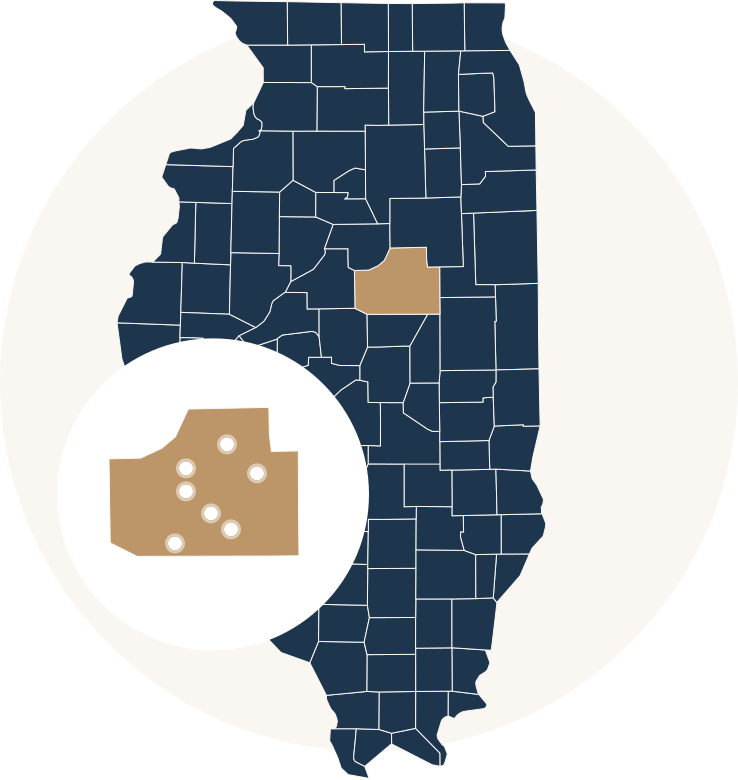
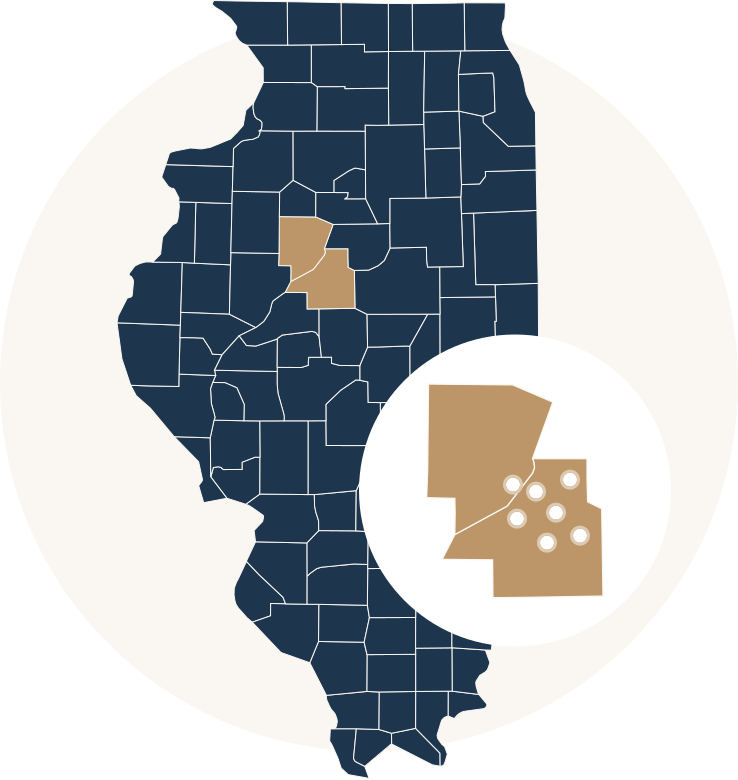
We’re trust specialists in Central Illinois. Trusts are complex documents that need to be done right. We create trusts every week for families throughout McLean County and Tazewell County. We understand Illinois law, local court procedures, and how to structure trusts that actually work.
We handle complicated family situations. Not every family fits a standard template. We create trust solutions for blended families, unequal distributions, special needs planning, spendthrift protection, and situations other attorney won’t handle.
We actually help you fund the trust. Many attorney create the trust document but leave you on your own to transfer assets. We don’t. We prepare deeds, provide detailed funding instructions, and walk you through transferring every asset type into the trust.
We’re here for annual check-ins and updates. Trust planning isn’t one-and-done. We include free annual check-ins. When life changes, we update your trust. You get a relationship, not just documents.
We take time to explain everything. We guarantee at least two meetings. Trusts are complicated, and we want you to understand your plan—not just sign papers. We answer every question until you’re comfortable.
A properly structured trust protects your family from probate, gives you control over how and when beneficiaries inherit, and ensures your wishes are carried out. We create trusts that work for your specific family situation.
Call or contact us online to schedule your complimentary consultation.
Trust planning services throughout Bloomington, Normal, Morton, East Peoria, Peoria, and Central Illinois.
A will says who inherits your property but requires probate (9-18 months, $10,000-$20,000, public record). A trust holds property during your lifetime and distributes it when you die—no probate, immediate access for family, everything private. For homeowners, trusts are usually better than wills.
We offer flat-fee pricing. Your cost depends on complexity—whether you need a simple revocable trust or more advanced planning for second marriages, special needs, or estate tax. We’ll discuss your specific pricing in your free consultation, and you’ll know the exact cost before we begin work.
No. With a revocable living trust (what most people need), you maintain complete control. You can buy, sell, change, or revoke the trust anytime. The trust doesn’t restrict you at all while you’re alive.
Your successor trustee manages the trust for you—no court guardianship required. They pay your bills, manage your investments, handle your affairs according to instructions in the trust. This is a huge benefit of trusts over wills (wills don’t help during incapacity).
Yes, but it’s a simple pour-over will. This catches any assets you forgot to transfer into the trust and directs them into the trust after your death. It also names guardians for minor children (trusts can’t do this—only wills can).
From initial consultation to signed documents and funded trust: typically 3-6 weeks. Some families move faster, some need more time to gather asset information. We move at your pace.
Yes. A revocable living trust can be changed anytime while you’re alive and mentally capable. That’s why we include annual check-ins—we update your trust as your life changes.
Real estate, bank accounts, investment accounts, business interests, and valuable personal property. Retirement accounts and life insurance typically don’t go in the trust (you name the trust as beneficiary instead). We guide you through transferring each type of asset.