When you’re planning for a loved one with a disability, the details matter. Leaving them money directly can accidentally disqualify them from the benefits they rely on, like SSI and Medicaid. A special needs trust lets you provide for them without putting that support at risk. We’ll take the time to understand your family’s situation and build a plan that actually fits.
If you have a child, grandchild, or other loved one with a disability, you face a heartbreaking problem: how do you leave them an inheritance without disqualifying them from the government benefits they need?
Direct inheritance—even a modest amount—disqualifies beneficiaries from SSI and Medicaid. The SSI asset limit is $2,000. If your child inherits $50,000, they lose their benefits until they spend down to $2,000. Then they requalify. This cycle destroys any inheritance you leave.
Special needs trusts solve this problem. At Haning Estate Planning, we help families throughout Central Illinois protect their loved ones with disabilities while preserving their eligibility for government benefits.
We offer flat-fee pricing on all special needs planning. You’ll know exactly what you’re paying upfront—no hourly billing, no surprise costs.
What’s included in special needs planning:
We’ll discuss your specific pricing during your complimentary consultation.
Call to schedule your free consultation.
Special needs trusts solve a critical problem that families with disabled loved ones face.
Direct inheritance disqualifies your loved one from benefits they need.
SSI (Supplemental Security Income) and Medicaid have strict asset limits. SSI allows only $2,000 in assets. If your child inherits money outright, they lose benefits until they spend down below $2,000. A special needs trust holds the inheritance while preserving benefit eligibility.
SSI provides a monthly income. Medicaid covers medical care, prescription drugs, therapies, medical equipment, and supported living services. Losing these benefits is catastrophic for people who depend on them.
Special needs trusts supplement benefits rather than replace them.
The trust provides money for things SSI and Medicaid don’t cover—better housing, education, recreation, electronics, entertainment, vacations, personal care attendants beyond what Medicaid provides. The trust enhances quality of life while benefits cover basics.
Without a special needs trust, your loved one faces an impossible choice between accepting the inheritance and losing benefits, or disclaiming the inheritance so it goes to someone else. Neither option is acceptable. A special needs trust solves this problem.
Third-party special needs trusts are funded with someone else’s money (usually parents or grandparents). You create the trust in your estate plan and leave assets to it instead of directly to your disabled loved one.
When you die:
This is the most common type.
First-party special needs trusts are funded with the beneficiary’s own money—typically:
Illinois requires first-party trusts to include Medicaid payback provisions: when the beneficiary dies, Medicaid gets reimbursed for benefits paid during the beneficiary’s lifetime before remaining assets go to other beneficiaries.
Pooled trusts are managed by non-profit organizations. Multiple beneficiaries pool their assets while maintaining separate accounts.
Pooled trusts can be useful for:
We help families determine when pooled trusts make sense.
Special needs trusts can pay for supplemental needs—things that improve quality of life beyond what SSI and Medicaid provide:
What special needs trusts cannot pay for directly: The trust should NOT pay for food or shelter directly because SSI considers these “in-kind support and maintenance” and reduces benefits dollar-for-dollar (up to one-third reduction in SSI payments). However, the trust can pay rent or mortgage to a third-party landlord, or pay property taxes, homeowner’s insurance, and maintenance costs on a home the beneficiary lives in.
The trustee manages trust assets and makes distribution decisions. This is a critical choice.
Trustees must know SSI and Medicaid rules. Improper distributions can disqualify the beneficiary from benefits. Many families choose professional trustees:
These professionals have the expertise needed to navigate complex benefit rules.
Maybe your other child serves as co-trustee with a professional:
This combination often works well.
Your trustee might not outlive your beneficiary. Name backup trustees so the trust can continue for your loved one’s entire lifetime.
Professional trustees charge fees (typically 1-2% of trust assets annually). Family members can also receive reasonable compensation, though many family trustees serve without fees.
Special needs planning doesn’t exist in isolation—it must coordinate with your entire estate plan.
Don’t leave assets directly to your disabled loved one. Your will or trust should leave assets to the special needs trust, not to the beneficiary outright. Even well-meaning relatives (grandparents, aunts, uncles) need to know they should NOT leave money directly to your disabled loved one.
Consider life insurance to fund the special needs trust. Life insurance can provide significant funding for a special needs trust. The trust is named as beneficiary, and death proceeds fund the trust without going through probate.
Address guardianship needs. If your loved one is a minor or needs a guardian, your estate plan should address who becomes guardian when you can’t serve. Guardianship and special needs trusts work together—the guardian makes personal decisions while the trustee manages money.
Plan for your other children too. Parents often leave unequal amounts to children—more to the child with special needs (via the trust) and less to other children who are self-sufficient. We help families think through equitable distributions that meet everyone’s needs.
ABLE (Achieving a Better Life Experience) accounts are tax-advantaged savings accounts for people with disabilities. They complement special needs trusts but don’t replace them.
ABLE accounts allow $18,000 per year in contributions (2024 limit). The first $100,000 doesn’t count against SSI asset limits. ABLE accounts are easier to manage than trusts for smaller amounts.
ABLE accounts have limitations. Only $18,000 per year, lifetime maximum of $595,000 (Illinois limit), must have been disabled before age 26 (recently raised from age 26), and may have Medicaid payback requirements.
Most families use both. ABLE accounts for near-term, smaller expenses. Special needs trusts for larger, long-term planning. We help families coordinate both tools.
Special needs planning requires expertise in both estate planning and government benefits. Here’s how we work with families to create protective plans:
We also provide ongoing support through annual check-ins and updates. Your loved one’s needs change. Benefit rules change. We include free annual check-ins to make sure your special needs trust stays current and continues to serve its purpose.
Special needs planning requires specific expertise in both estate law and government benefits. Here’s what makes our approach different:
Special needs trusts let you provide for your disabled loved one without jeopardizing the government benefits they depend on. Proper planning protects their quality of life and financial security.
Call or contact us online to schedule your complimentary consultation.
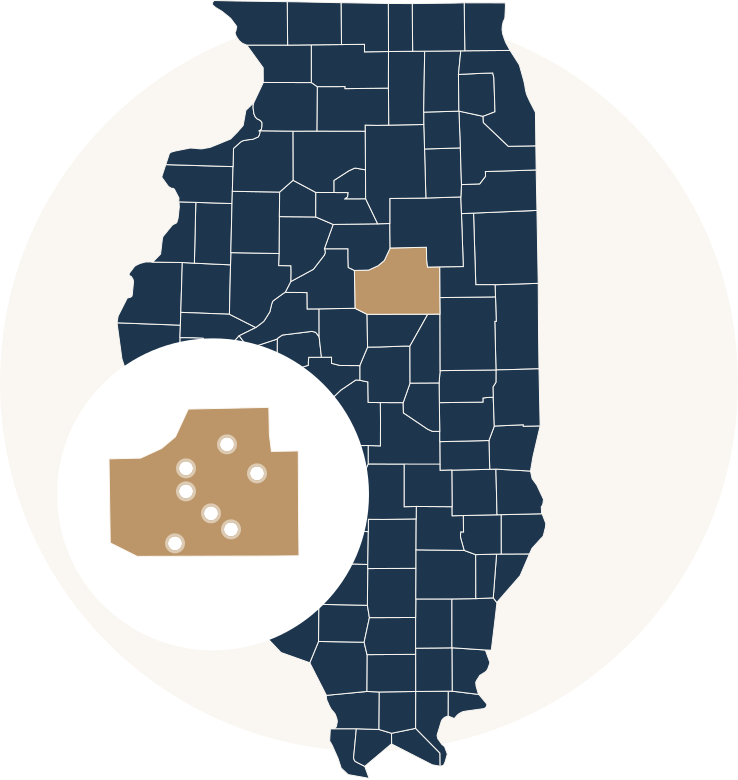
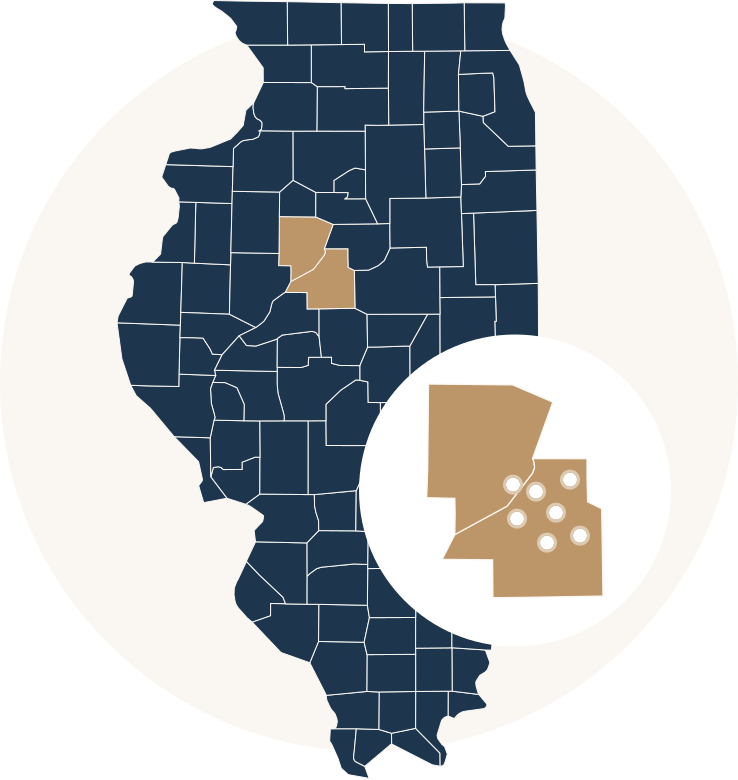
Special needs planning services throughout Bloomington, Normal, Morton, East Peoria, Peoria, and Central Illinois.
SSI (Supplemental Security Income) is needs-based—it requires disability AND low income/assets (under $2,000 in assets). SSDI (Social Security Disability Insurance) is based on work history and doesn’t have asset limits. People on SSDI often don’t need special needs trusts unless they also receive SSI or Medicaid.
Yes, with limits. SSI allows some earnings, but SSI payments reduce as earnings increase. We help families understand work incentive programs that let beneficiaries earn income without losing all benefits.
Yes, but carefully. The trust should pay rent directly to the landlord or pay property taxes and insurance on the home. Don’t give housing money directly to the beneficiary—this reduces SSI benefits.
For third-party trusts, remaining assets go to whomever you name in the trust (often your other children). For first-party trusts, Medicaid gets reimbursed for benefits paid, then the remaining assets go to your named beneficiaries.
Not directly—this disqualifies them from benefits. Name the special needs trust as the beneficiary instead. The trust receives the money and distributes it for your child’s benefit without affecting eligibility.
Maybe not. SSDI has no asset limits. But if your loved one also receives Medicaid or might need SSI in the future, a special needs trust is protective. We help you evaluate your specific situation.
Generally, no—this counts as income and reduces SSI. The trustee pays vendors directly (doctor bills, tuition, travel companies). For some expenses, the trustee may pay the beneficiary directly, but this requires careful planning to avoid benefit reductions.