Through Probate, Together
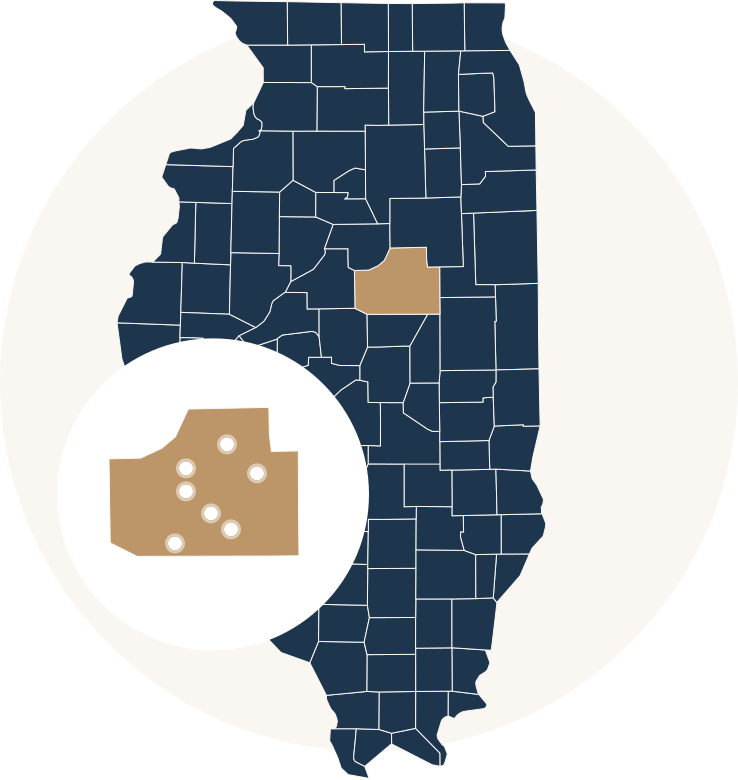
When someone passes away with assets in their name alone, their estate usually has to go through probate in the McLean County Circuit Court. It’s a court process — paperwork, deadlines, and decisions — at the moment your family least wants to deal with it. We handle that part for you and keep things moving.
Someone you love has died. You’re dealing with grief. And now you’re supposed to figure out probate?
Probate is the legal process for settling someone’s estate. It involves courts, deadlines, paperwork, creditors, taxes, and beneficiaries. Most people have never done it before and have no idea where to start.
That’s what we’re here for. We guide you through the entire process, handle the legal work, and protect you from mistakes that could create personal liability.
Probate Services in Morton
We offer flat-fee probate administration with everything included:
Complete Probate Administration Package
Initial consultation:
- Review the will and assets
- Explain the probate process
- Determine timeline and costs
- Assess whether you need full probate
Court filings:
- Petition to open estate
- Appear at initial hearing
- Obtain Letters of Office (your legal authority)
Estate administration:
- Notice to heirs and creditors
- Asset identification and inventory
- Creditor claim management
- Tax return coordination
Distribution and closing:
- Distribute assets to beneficiaries
- Prepare final accounting
- Close estate with court
Ongoing guidance:
- Answer questions throughout
- Handle unexpected issues
- Protect you from liability
Call (309) 824-6264 to discuss probate administration.
When You Need a Probate Lawyer in Tazewell County
Real Estate in Decedent’s Name
If the deceased owned a house, land, or rental property in their name alone, probate is required to transfer title. No way around it.
Even with a will saying who inherits, you need court approval to actually transfer ownership.
Significant Assets Without Beneficiaries
Bank accounts, investment accounts, vehicles, personal property—if these are in the deceased’s name alone (not joint, not payable-on-death, not in a trust), they require probate.
Will Needs Court Approval
A will doesn’t automatically take effect. It must be:
- Filed with the court
- Proved valid
- Admitted to probate
Then the court supervises distribution according to the will.
Family Disputes About the Estate
If beneficiaries fight about:
- Who should serve as executor
- Whether the will is valid
- How assets should be distributed
You need an attorney to navigate the disputes through court.
Executor Needs Protection From Liability
As executor, you’re personally liable for mistakes:
- Paying wrong creditors
- Distributing assets prematurely
- Missing tax deadlines
- Improper accounting
Most executors hire attorney to ensure they fulfill duties correctly and protect themselves from claims.
How Probate Works in Illinois
What Probate Actually Does
Probate:
- Proves the will is valid
- Appoints executor
- Identifies assets
- Pays debts and taxes
- Distributes remaining assets to beneficiaries
- Closes the estate
It’s a court-supervised process from start to finish.
Timeline for Tazewell County Probate
Weeks 1-4: Filing
- Executor files petition
- Court schedules hearing
Weeks 4-8: Appointment
- Court hearing to admit will
- Judge appoints executor
- Executor receives Letters of Office
Weeks 6-10: Notice
- Notify all heirs and beneficiaries
- Publish creditor notice in newspaper
- Six-month creditor claim period begins
Months 2-4: Inventory
- Identify all assets
- Obtain appraisals
- File inventory with court
Months 6-12: Debts and Taxes
- Review creditor claims
- Pay valid debts
- File final tax returns (income and estate)
- Pay taxes owed
Months 9-15: Distribution
- After claim period ends
- After debts and taxes paid
- Distribute to beneficiaries per will
Months 12-18: Closing
- File final accounting
- Court approves accounting
- Executor released from duties
Total: Usually 12-18 months
Costs of Probate in Illinois
Court fees: $400-$500 in Tazewell County
Publication costs: $200-$400 for creditor notice
Attorney fees: $5,000-$15,000 for standard estates (contested or complex estates cost more)
Executor fees: Reasonable compensation, typically 1-3% of estate value
Appraisals: $500-$2,000 for real estate and valuable property
Typical total: $10,000-$20,000 for straightforward estates
Executor Responsibilities in Illinois Probate
What Executors Must Do
As executor, you’re responsible for:
Gathering and protecting assets:
- Identify everything the deceased owned
- Secure property
- Maintain insurance
- Prevent theft or waste
Notifying interested parties:
- All heirs and beneficiaries
- Known creditors
- Public creditor notice
- IRS and Illinois Department of Revenue
Paying debts:
- Review creditor claims
- Determine validity
- Pay legitimate debts in proper order
- Reject invalid claims
Filing taxes:
- Decedent’s final income tax
- Estate income tax (if estate earns income)
- Illinois estate tax (if estate exceeds $4 million)
Distributing assets:
- After debts and taxes paid
- According to will instructions
- To proper beneficiaries
Accounting to the court:
- Track every dollar in and out
- Document all transactions
- File final accounting
- Obtain court approval
Executor’s Personal Liability
You’re personally liable for:
- Distributing assets before paying taxes
- Paying wrong creditors
- Improper distributions
- Missing deadlines
- Poor recordkeeping
This is why most executors hire attorney—to avoid these mistakes.
Small Estate Procedures in Illinois
When Small Estate Affidavit Works
If estate is under $100,000 AND doesn’t include real estate, beneficiaries can use a simplified process:
Requirements:
- Total estate under $100,000
- No real estate
- 30 days after death
- Person claiming assets must sign affidavit
Benefits:
- No court supervision
- Faster process
- Lower costs
Process:
- Person claiming assets prepares affidavit
- Swears estate qualifies
- Promises to distribute properly
- Presents affidavit to banks, etc.
- Gets assets released
Limitations
The $100,000 includes EVERYTHING:
- Bank accounts
- Vehicles
- Personal property
- Investments
- Life insurance (if no beneficiary)
Most homeowners exceed this. Most estates need regular probate.
How We Handle Probate in Morton
Initial Consultation
We review:
- The will (if there is one)
- List of assets
- Potential complications
- Family dynamics
We explain:
- Whether you need full probate
- What the process involves
- Timeline and costs
- Your duties as executor
Filing and Appointment
We handle:
- Preparing petition
- Filing with Tazewell County Circuit Court
- Attending court hearing
- Obtaining your Letters of Office
You’re officially appointed. You have legal authority to act.
Notice and Inventory
We assist with:
- Drafting notices to heirs and creditors
- Publishing required newspaper notice
- Preparing asset inventory
- Obtaining appraisals
- Filing inventory with court
Managing Claims
We help you:
- Review creditor claims
- Determine validity
- Negotiate when appropriate
- Advise on payment priority
- Reject invalid claims properly
Tax Matters
We coordinate with accountants on:
- Final income tax returns
- Estate income tax returns
- Illinois estate tax returns (if applicable)
- IRS correspondence
Distribution
After debts, taxes, and claim period:
- We guide distribution to beneficiaries
- Ensure proper documentation
- Obtain receipts
- Protect you from claims
Closing
We prepare:
- Final accounting of all transactions
- Petition for estate closure
- Court approval
You’re officially released from executor duties and liability.
Avoiding Probate With Proper Planning
Revocable Living Trusts
The most effective probate avoidance:
- Assets in properly funded trust bypass probate
- Trustee distributes immediately
- No court involved
- Private process
Beneficiary Designations
Accounts with proper beneficiaries avoid probate:
- Payable-on-death bank accounts
- Transfer-on-death investment accounts
- Retirement accounts (already have beneficiaries)
- Life insurance (already has beneficiaries)
Joint Ownership
Property owned jointly with right of survivorship passes to surviving owner automatically. But this creates other issues:
- Loss of control while alive
- Creditor exposure
- Potential gift tax problems
Not always the best solution.
Transfer-on-Death Deeds
Illinois allows transfer-on-death deeds for real estate. Property passes to named beneficiary without probate. But:
- Must be recorded properly
- Can create complications
- Doesn’t avoid Illinois estate tax
We help determine if this makes sense.
Why Morton Executors Choose Our Probate Services
We Practice in Tazewell County Courts
We know:
- Local judges and court staff
- Tazewell County procedures
- McLean County procedures (for comparative estates)
- How to navigate local courts efficiently
We Handle All the Paperwork
You’re grieving. You shouldn’t have to figure out:
- Court petitions
- Notice requirements
- Inventories
- Accountings
We handle legal documents. You handle family.
We Protect You From Liability
As executor, you’re personally liable for mistakes. We:
- Guide you through every decision
- Prevent costly errors
- Document everything properly
- Protect you from claims
We Handle Family Disputes
If beneficiaries fight, we:
- Represent the estate
- Negotiate when possible
- Litigate when necessary
- Protect executor from claims
We Help You Avoid Probate Next Time
After seeing how probate works, most people want to avoid it for their own estates. We help you create:
- Trusts
- Proper beneficiary designations
- Planning that bypasses probate
Get Help With Probate in Morton
Probate is complex. You’re dealing with courts, creditors, taxes, and family—all while grieving.
Call (309) 824-6264 to discuss probate administration.
We’ll guide you through the process, handle the legal work, and protect you from liability.
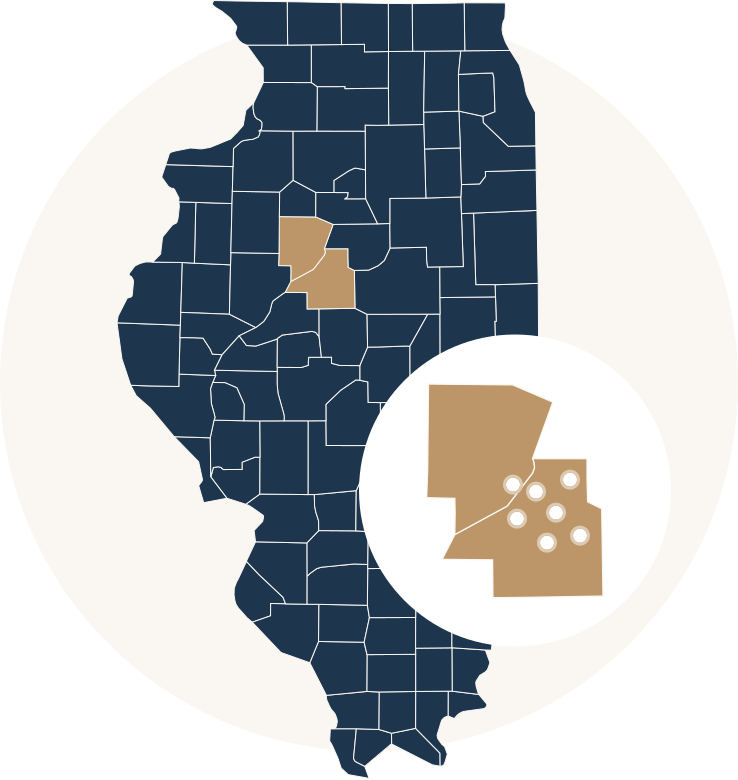
Probate administration services throughout Morton, East Peoria, Peoria, and Central Illinois.
Frequently Asked Questions
How long does probate take?
Typical timeline: 12-18 months. Depends on:
- Estate complexity
- Creditor claims
- Tax issues
- Beneficiary disputes
With proper planning (trusts, beneficiary designations), yes. After someone dies, usually no—Illinois law requires probate for real estate and significant assets.
Illinois intestacy law determines distribution. Probate still required. Court appoints administrator instead of executor.
Can the executor get paid?
Yes. Illinois law provides for reasonable executor compensation, typically 1-3% of estate value depending on complexity and time required.
What if beneficiaries disagree?
Court resolves disputes. As attorney for the executor, we represent the estate through this process. Disagreeing beneficiaries may need their own attorney.
Do all estates pay estate tax?
No. Illinois estate tax applies only to estates exceeding $4 million (including life insurance and retirement accounts). Most estates don’t pay estate tax.
What if the estate has no money to pay debts?
Illinois law prioritizes debts. Some get paid, others don’t. We help you follow proper priority order. You’re not personally liable for estate debts (unless you pay debts improperly).
Can we sell the house during probate?
Yes, with court approval. Executor petitions court for authority to sell. We handle this process.