A living trust lets you pass down your home, savings, and belongings without sending your family through probate court. It’s also how we handle the trickier stuff — leaving different amounts to different kids, planning around the Illinois estate tax, protecting what you’ve built.
Your neighbor mentioned they set up a trust. Your financial advisor said you should look into it. Someone at work went through probate when their dad died and said it was a nightmare.
So now you’re wondering: Do I actually need a trust? What does it even do? Is it worth the cost?
Fair questions. Here are straight answers.
A trust is a legal entity that owns your stuff. You transfer your house, your accounts, your property into the trust. Then the trust owns it instead of you personally.
Sounds weird. Why would you do this?
While you’re alive: You control everything. Nothing changes. You can buy, sell, spend, gift—whatever. The trust doesn’t restrict you at all. You’re the trustee, so you’re in charge.
If you become incapacitated: Your designated backup trustee (usually your spouse or kid) steps in and manages everything. Pays bills. Handles investments. Makes financial decisions. No court guardianship required.
When you die: Your backup trustee distributes everything according to your instructions. No probate. No court. No 18-month wait. Just immediate, private distribution to your beneficiaries.
That’s it. That’s what a trust does.
If you own real estate in Illinois and die with it in your name, it goes through probate. Always. No exceptions without a trust.
Probate means:
A trust means:
For homeowners, trusts usually make sense.
If you don’t own a home, you might not need a trust. Depends what else you have.
Bank accounts and investment accounts can use beneficiary designations (payable-on-death). Your beneficiaries get them directly without probate.
Retirement accounts and life insurance already have beneficiaries, so they avoid probate automatically.
If most of your assets avoid probate anyway, a simple will might be enough. We’ll tell you honestly whether a trust makes sense for you.
This is the other big reason for trusts: controlling the timing and conditions of inheritance.
Maybe your son is 22 and terrible with money. Maybe your daughter is going through a divorce and you don’t want her soon-to-be-ex getting half her inheritance. Maybe you want grandkids to inherit only for education or home purchases.
Trusts let you set these rules. Wills don’t.
Trusts can solve the classic second-marriage problem: “I want my spouse taken care of, but I want my kids from my first marriage to eventually get my assets.”
Without proper planning, your spouse could inherit everything, remarry, and your kids end up with nothing.
A trust can provide for your spouse during their lifetime while guaranteeing your kids inherit what’s left. It’s not simple, but it’s possible with the right trust structure.
Probate is public record. Anyone can look up what you owned, who inherited, how much debt you had, what family fights happened.
Trusts are private. The court isn’t involved, so there’s no public record of your estate administration.
If privacy matters—maybe you own a business, maybe you have family members you don’t want knowing your business—trusts provide that privacy.
We use flat fees. You know the total before we start.
Your fee includes:
If you own multiple properties, there’s typically an additional deed preparation fee ($500 per property in Tazewell County). We discuss all costs upfront in your consultation.
Call to discuss whether a trust makes sense for your situation.
Creating the trust document is half the job. Funding it is the other half.
“Funding” means actually transferring your assets into the trust. If you don’t fund it, the trust is worthless. Your assets still go through probate.
For your house: We prepare a new deed that transfers ownership from you personally to your trust. The trust now owns your house. (You still live there, still control it—nothing changes in practice.)
For bank accounts: You go to your bank and retitle accounts in the trust’s name. We provide documentation and instructions.
For investment accounts: Same thing. Your brokerage retitles accounts into the trust name.
For retirement accounts and life insurance: These usually don’t go IN the trust. You name the trust as beneficiary instead.
For your car: In Illinois, you can transfer vehicles into trusts, but most people don’t because registration is easier if you own the car personally. Your pour-over will catches the car and transfers it through simple probate if needed.
For business interests: Depends on the business structure. We guide you through this.
This is where many attorney drop the ball. They create the trust and hand you documents with no guidance on actually funding it.
We walk you through the entire funding process. You don’t figure this out alone.
This is the standard trust most people need. You keep complete control. You can change anything anytime. Main purpose: avoid probate.
We customize these for:
Once created, you can’t change these. They’re for specific purposes:
Most people don’t need irrevocable trusts unless they have significant wealth or specific protection needs.
For disabled beneficiaries who receive government benefits. Direct inheritance would disqualify them from SSI and Medicaid.
A special needs trust holds money for their benefit without affecting eligibility. It supplements government benefits, providing for things benefits don’t cover.
Removes life insurance from your taxable estate. Only relevant if you have substantial life insurance AND your estate exceeds Illinois’s $4 million estate tax threshold.
We’ll tell you honestly if you need one.
We don’t push trusts on everyone. We figure out what you actually need.
We discuss:
You leave understanding your options. No pressure.
If a trust makes sense, we draft one customized to your situation. Not a template. Actual custom drafting based on what we discussed.
We prepare all the other documents you need too: powers of attorney, healthcare directives, pour-over will.
We go through every document together. We want you to understand what you’re signing.
We explain how trust administration works, what your trustee needs to do, how to fund the trust.
You don’t sign until you’re comfortable.
We prepare your house deed. We provide detailed instructions for transferring other assets. We answer questions as you go through the funding process.
This is critical. An unfunded trust doesn’t work.
Life changes. We include annual check-ins to make sure your trust stays current.
Bought a new property? We help add it to the trust. Had another grandkid? We update beneficiary provisions. Got divorced? We restructure the trust.
Simple updates are included in your original fee.
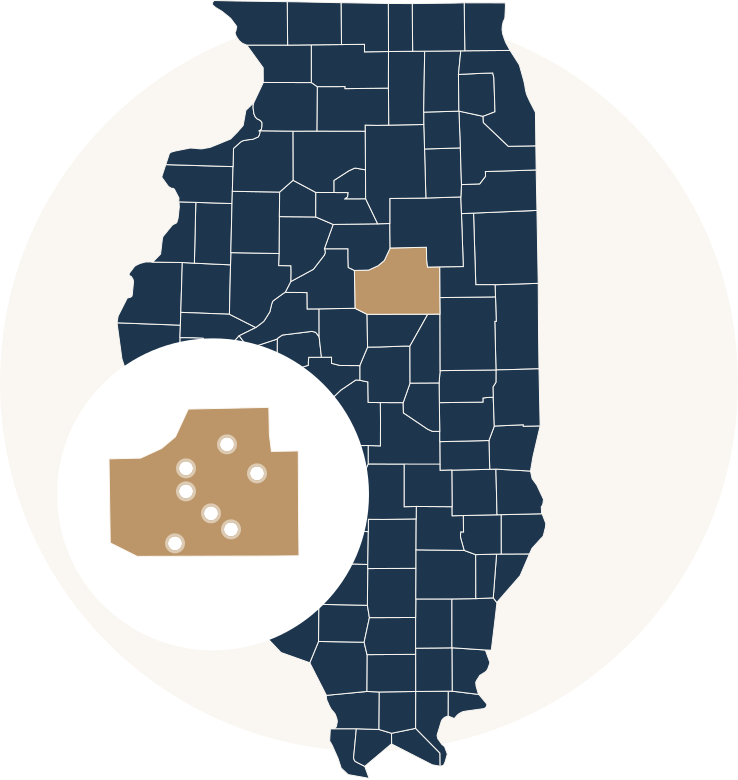
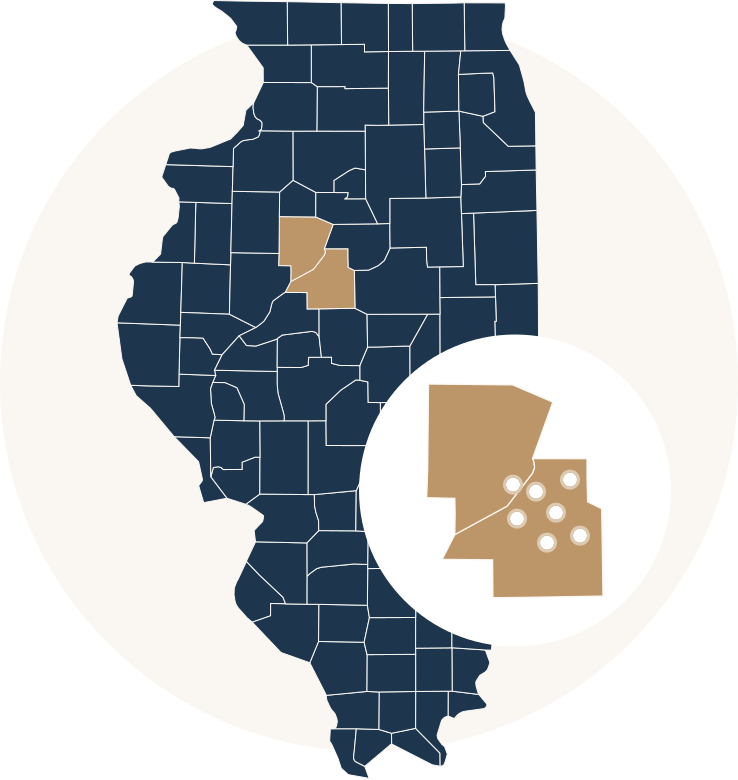
We practice here. Tazewell County and McLean County. We know the local courts and procedures if something ever does go to court.
We actually explain things. Most attorney rush through trust documents using legal jargon. We take time to make sure you understand.
We handle complex situations. Second marriages. Special needs. Business succession. Unequal distributions. Situations that don’t fit templates.
We help with funding. We don’t just hand you documents. We prepare deeds, provide instructions, answer questions as you transfer assets.
We’re here long-term. Annual check-ins. Updates when needed. Questions answered. Your trust stays current as your life changes.
You don’t need a sales pitch. You need honest advice about whether a trust makes sense for your situation.
Call (309) 824-6264 for a free consultation.
We’ll look at what you own, discuss your family situation, and tell you honestly whether a trust is worth it for you.
No pressure. Just straight answers.
Trust planning services throughout Morton, East Peoria, Peoria, and Central Illinois.
Yes. You’re the trustee. You can buy, sell, refinance—whatever. The trust doesn’t restrict you.
Change it. Revocable trusts can be modified anytime while you’re alive and capable. That’s why they’re called “revocable.”
Yes, but a simple one. It’s called a “pour-over will” and it catches anything you forgot to put in the trust. It also names guardians for minor kids (trusts can’t do this—only wills can).
Your pour-over will catches it and directs it into the trust. It goes through simple probate, but it’s faster than regular probate because the will just says “everything goes to the trust.”
Technically yes. Practically, we see people mess this up regularly. The trust document itself might be okay, but people forget to fund it. Or they fund it wrong. Or they create the wrong type of trust for their situation. Then their family spends $15,000 fixing it after they die.
That was true decades ago. Not anymore. If you own a home in Illinois, a trust probably makes sense regardless of how much wealth you have. Probate costs the same whether your house is worth $150,000 or $1.5 million.
From initial meeting to signed, funded trust: typically 4-6 weeks. Some families move faster, some need more time. Depends on how quickly you respond with information and how fast you get assets transferred.